

Views: 0 Author: Site Editor Publish Time: 2026-02-27 Origin: Site
The micron rating of fuel filter paper refers to the measurement of the smallest particles that the filter is designed to capture. This rating is crucial for determining the filter's efficiency in preventing contaminants, such as dirt, dust, rust, and water, from entering the engine. The lower the micron rating, the finer the filtration, meaning it can trap smaller particles. Understanding the micron rating is essential for selecting the right filter for your vehicle’s fuel system, as it directly impacts engine performance and longevity. A filter with the appropriate micron rating ensures that only clean fuel reaches sensitive engine components, improving overall fuel system health, maintaining engine efficiency, and preventing damage from unwanted debris.
A micron, also known as a micrometer, is a unit of measurement that is equal to one-millionth of a meter (1/1,000,000 m). It is commonly used in various industries, including filtration, to describe the size of particles. For example, a particle that measures 5 microns in diameter is five-millionths of a meter wide. Microns are a standard measurement used to indicate the smallest size of particles that a filter can capture, making it essential for determining the filter’s ability to block contaminants.
In the context of fuel filter paper, the micron rating indicates the size of the smallest particles that the filter can trap. A lower micron rating means the filter can capture finer particles, such as dust, rust, and other debris that are smaller in size. For instance, a 5-micron filter can trap particles as small as 5 microns, while a 10-micron filter will allow slightly larger particles to pass through. The lower the micron rating, the more efficient the filter is at providing finer filtration, which is especially important in protecting sensitive engine components and maintaining the overall health of the fuel system.
The micron rating of fuel filter paper refers to the size of the smallest particles that the filter can effectively block. For example, a filter rated at 10 microns will trap particles that are larger than 10 microns in diameter, allowing smaller particles to pass through. This rating is essential in understanding how well the filter will protect your engine from contaminants. A lower micron rating, such as 5 microns, means the filter is capable of capturing even finer particles, offering greater protection for sensitive engine components.
Filter efficiency is directly related to the micron rating. A filter with a lower micron rating offers higher filtration efficiency by capturing smaller particles that could otherwise pass through and potentially damage critical engine parts such as fuel injectors and the fuel pump. These smaller particles, though often invisible to the naked eye, can cause wear over time, affecting engine performance and fuel system longevity. By choosing a filter with an appropriate micron rating, you ensure better protection, cleaner fuel delivery, and more efficient engine operation, ultimately extending the life of your vehicle’s engine and fuel system.
The micron rating plays a crucial role in protecting the engine components by ensuring that the filter is appropriately matched to the engine’s needs. A filter with the correct micron rating effectively blocks contaminants such as dirt, rust, and debris from reaching critical components like the fuel injectors and fuel pump. These components are sensitive to even small particles, which, if allowed to pass through, can cause significant damage. For example, fuel injectors may become clogged, leading to poor fuel spray patterns, inefficient combustion, and decreased engine performance. By choosing a filter with the right micron rating, you ensure that the fuel system remains clean, preventing costly damage and ensuring smooth engine operation.
Selecting the right micron rating for your fuel filter helps maintain the overall health of the entire fuel system. A filter that captures the appropriate size of particles prevents contaminants from accumulating in sensitive engine components, including the fuel pump, injectors, and fuel lines. Over time, these contaminants can cause wear and blockages, leading to reduced fuel efficiency, increased maintenance costs, and even engine failure. By using a filter with the proper micron rating, you can ensure that the fuel system remains free from harmful impurities, promoting long-term performance, reducing repair costs, and improving the overall longevity of the vehicle.
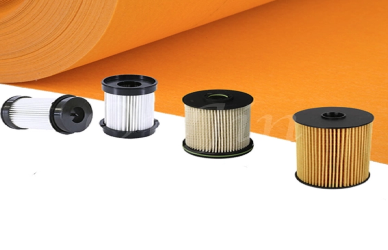
Choosing the correct micron rating for your fuel filter is essential to ensure optimal engine performance and protection. The ideal micron rating often depends on your vehicle type, driving conditions, and fuel quality:
Vehicle Type: High-performance vehicles and those with sensitive engines may require filters with lower micron ratings (e.g., 5 to 10 microns) to ensure finer filtration. Commercial trucks or heavy-duty vehicles might use higher micron-rated filters (e.g., 15 microns) since their fuel systems are typically more robust and can handle larger particles.
Driving Conditions: Vehicles that operate in harsh conditions, such as off-road driving or in areas with high dust and dirt, will benefit from a filter with a lower micron rating to trap smaller particles that can clog the fuel system. On the other hand, vehicles used mostly on highways may not require as fine a filter, and a slightly higher micron rating could be sufficient.
Fuel Quality: If you frequently use low-quality or contaminated fuel, a filter with a lower micron rating is essential to prevent particles from entering the engine. However, for vehicles that consistently use high-quality fuel, a higher micron rating may suffice as there will be fewer contaminants to filter.
One of the most reliable ways to choose the correct micron rating for your fuel filter is by following the vehicle manufacturer’s recommendations. Manufacturers design fuel systems based on specific filtration needs, and the micron rating of the fuel filter is carefully selected to balance performance and engine protection. Following these guidelines ensures that the filter is suited to the engine’s fuel system and helps maintain overall engine efficiency. Always refer to the owner’s manual or consult with a professional mechanic to determine the recommended filter micron rating, ensuring that the filter you choose aligns with your vehicle's specifications and provides the best protection for its components.
The ideal micron rating depends on the vehicle’s engine and the type of contaminants in the fuel. Typically, ratings between 5 and 10 microns are suitable for most vehicles, offering a balance between efficient filtration and proper fuel flow. Vehicles with sensitive engines or those that operate in harsh conditions may benefit from a lower micron rating for finer filtration, while vehicles in less demanding environments might require a slightly higher rating.
A very low micron rating can cause fuel flow restrictions, especially if the filter becomes clogged too quickly. This is particularly problematic in vehicles using low-quality or contaminated fuel, as the filter may trap larger amounts of debris, reducing fuel efficiency and engine performance. If the filter becomes too restrictive, the fuel system may struggle to deliver the required fuel, potentially leading to engine hesitation or stalling.
Yes, synthetic filters generally offer higher efficiency and finer filtration compared to paper filters. While paper filters typically provide adequate filtration for most vehicles, synthetic filters can trap smaller particles at a similar or even higher flow rate. This makes synthetic filters ideal for vehicles exposed to more demanding conditions, such as off-roading or those using lower-quality fuel, as they provide superior protection and longer-lasting performance.
Yes, selecting the wrong micron rating for your fuel filter can have a significant impact on engine performance. A filter with too low of a micron rating may restrict fuel flow and cause inadequate fuel delivery, resulting in reduced engine power, poor acceleration, and decreased fuel efficiency. Conversely, a filter with too high of a micron rating may allow larger particles to pass through, potentially causing clogging of injectors and damage to engine components. Ensuring the correct micron rating is chosen helps maintain smooth engine operation and optimal fuel efficiency.
In conclusion, selecting the correct micron rating for your fuel filter is absolutely vital to maintaining optimal engine performance and protecting the overall health of your vehicle’s fuel system. The micron rating indicates the size of particles that the filter can capture, and using the right rating helps safeguard sensitive engine components, such as fuel injectors, the fuel pump, and other crucial parts of the fuel system, from potential damage caused by contaminants like dirt, rust, and metal debris. By carefully matching the filter with your vehicle type, driving conditions, and fuel quality, and adhering to the manufacturer’s guidelines, you ensure that the fuel system remains clean and free from harmful particles. This not only improves engine efficiency but also prevents unnecessary wear and tear, leading to fewer maintenance issues and extending the lifespan of your vehicle. Regularly choosing and replacing the filter with the appropriate micron rating helps ensure smooth operation, better fuel economy, and greater long-term reliability of your vehicle.


