

Views: 0 Author: Site Editor Publish Time: 2026-04-07 Origin: Site
Filter paper is a specially designed paper used for separating solids from liquids or gases. It acts as a porous barrier that allows liquid to pass through while retaining solid particles. Filter paper is commonly used in laboratories, industrial applications, and even in household settings like coffee brewing.
Its primary role is in the filtration process, where it captures particles or impurities present in a solution. It is made of cellulose fibers and other materials that allow for its absorbent properties. Filter paper is available in various grades, thicknesses, and pore sizes, making it suitable for different filtration needs.
Filter paper plays a crucial role in ensuring the purity and quality of substances by removing contaminants. Whether you are performing an experiment in a laboratory or purifying liquids in industrial processes, filter paper is indispensable for obtaining clear, clean results.
This article will walk you through everything you need to know about using filter paper effectively, from understanding its types to how to use it step by step for efficient filtration.
There are several types of filter paper, each with different properties that make them suited for specific applications. The right choice depends on the particles you need to filter, the liquid you're filtering, and the desired filtration speed.
Type of Filter Paper | Description | Best For |
General Purpose Filter Paper | A versatile option with a standard porosity, used for most basic filtering tasks. | Routine laboratory filtering tasks and water filtration |
Qualitative Filter Paper | These papers are typically used in analytical applications where precise measurements are necessary. | Identifying and separating components in laboratory research |
Quantitative Filter Paper | Designed to retain small particles without loss, these are used for precise filtration, where consistency is critical. | High-precision experiments requiring retained solids |
Chromatography Paper | Specially designed filter paper for chromatography, allowing for efficient separation of chemical substances. | Chromatography-based research and analysis |
Cellulose Filter Paper | Made from natural cellulose fibers, offering good filtration properties and strength. | General laboratory work and industrial uses |
Synthetic Fiber Filter Paper | More durable and can withstand harsh chemical treatments. | Industrial filtration in high-stress environments |
Each of these types can be tailored for specific functions based on their physical properties such as porosity, material composition, and thickness.
Before you start using filter paper, there are several factors to consider. The right filter paper choice is critical for achieving optimal filtration.
Filter paper comes in a range of pore sizes, and choosing the right one is essential for the success of your filtration process. The smaller the pores, the finer the filtration, but this can slow the flow rate. On the other hand, larger pores speed up the filtration process but allow larger particles to pass through.
Here’s a simple breakdown of pore sizes and their common uses:
Pore Size (µm) | Application |
1.0 | For fine particle filtration, such as in chemical experiments |
5.0 | Suitable for general filtration of medium-sized particles |
20.0 | Used for larger solid particles, ideal for coarse filtration |
Filter papers are available in various shapes, including circles, squares, and custom shapes. Choosing the right shape and size is critical to ensure that the filter paper fits correctly within the funnel or filtration system. A filter paper that does not fit properly can lead to leakage or improper filtration.
The thickness of filter paper affects its filtration capacity and strength. Thicker filter paper can handle larger volumes and more pressure, but it may reduce filtration speed. The strength of the paper ensures that it can withstand the weight of the materials being filtered without tearing or breaking.
Thickness | Suitability | Strength |
Thin | Faster filtration for light liquids | Low tensile strength, suitable for simple filtering |
Medium | Ideal for general filtration tasks | Moderate strength for typical use |
Thick | Suitable for heavy filtering and larger volumes | High tensile strength, used for robust industrial filtration |
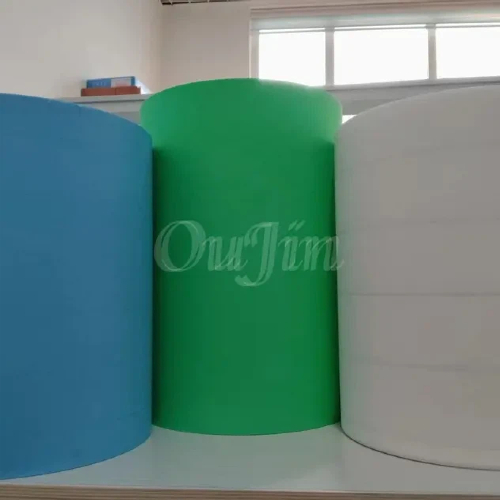
Using filter paper correctly ensures that you achieve high filtration efficiency. Follow these steps to set up your filtration system.
First, select the correct type of filter paper for your filtration task. The particle size, material to be filtered, and the liquid medium will all impact your choice. If you're unsure, consult with the specifications provided by the filter paper manufacturer for guidance.
Place the filter paper inside a clean funnel. If you’re using a conical funnel, make sure that the filter paper fits snugly against the sides. The paper should not be too large (as it will not sit well) or too small (leading to leaks). It's best to fold the filter paper into quarters and then fit it into the funnel for a secure setup.
Step | Action | Note |
1 | Select appropriate filter paper | Choose based on pore size, thickness |
2 | Fit filter paper into funnel | Ensure a snug fit with no gaps |
3 | Wet the filter paper slightly | Helps it adhere better to the funnel |
Carefully pour the liquid mixture into the filter paper. It’s important to pour slowly and steadily to avoid splashing or spilling. Always pour along the side of the funnel to reduce splashing. Once the liquid begins to filter through, you can increase the flow rate.
As the liquid passes through the filter paper, it will be collected in a clean container placed below the funnel. Ensure the filtrate container is free of contaminants to maintain purity.
After filtration, dispose of the filter paper appropriately. In most cases, it should be discarded, especially if it contains hazardous materials. For non-hazardous materials, you may be able to clean and reuse the filter paper.
Filter paper is used across multiple industries and for various purposes. Here are the primary applications of filter paper in different fields.
In laboratories, filter paper is essential for filtering substances during experiments. It is used to separate solid particles from liquids, clarify solutions, and purify chemicals. Whether it's for simple water filtration or for more complex chemical separations, filter paper is an indispensable tool.
Filter paper plays a major role in industries such as water treatment, food and beverage production, and pharmaceuticals. It helps in filtering oils, chemicals, and water for purification. Its ability to efficiently separate particles makes it ideal for maintaining the quality of liquids in industrial production lines.
At home, filter paper is commonly used in coffee makers, tea bags, and air filtration systems. It helps in extracting flavors from coffee and tea while keeping unwanted particles out. Additionally, filter paper is also used in air purifiers to capture dust and pollen.
To ensure your filtration process runs smoothly and effectively, here are a few tips to maximize the efficiency of your filter paper:
In certain cases, using multiple layers of filter paper can increase filtration efficiency. This technique is especially useful when filtering thicker liquids or when a finer filtration is required.
Always handle filter paper with clean hands or tools to avoid contamination. Contaminated filter paper can introduce impurities into your filtered liquid, compromising the filtration process.
Filter paper should be stored in a dry, clean environment to prevent damage. Keeping it in an airtight container or sealed packaging will help preserve its effectiveness and prevent dust or dirt contamination.
In summary, filter paper is an indispensable tool for efficiently separating solids from liquids and gases, whether in a laboratory, industrial, or household setting. When used correctly, it ensures the filtration of pure, contaminant-free substances. By understanding the various types of filter paper, key considerations such as pore size and thickness, and the proper filtration process, you can maximize the efficiency of your filtration tasks.
For those looking for high-quality filter paper tailored to specific needs, we recommend exploring the offerings from Hebei Oujin Nonwoven Technology Co., Ltd. With their expertise in producing top-tier filter materials for diverse industries, they provide solutions that meet the most demanding filtration requirements. Whether you’re in need of general-purpose or specialized filter paper, contacting them can help ensure you choose the right product for your applications.
1. Can filter paper be reused?
Yes, depending on the filtration task and the material being filtered, some filter papers can be cleaned and reused. However, it’s important to ensure that the paper is not contaminated before reuse.
2. How do I choose the right pore size for my filter paper?
The pore size is determined by the size of the particles you wish to filter out. Smaller pores are used for fine filtration, while larger pores are used for coarser filtration.
3. Can I use regular filter paper for air filtration?
Yes, regular filter paper can be used for air filtration, but for more specialized air filtration, particularly in industrial or high-efficiency settings, specialized air filters may be necessary.
4. What is the best way to dispose of used filter paper?
Used filter paper should be disposed of according to the material filtered. For non-hazardous materials, it can be disposed of with regular waste, while hazardous materials should follow proper disposal methods.
5. Is there a filter paper type for specific chemical reactions?
Yes, filter paper types are designed for specific purposes. Quantitative filter papers are best when precise measurements of solids are needed, while qualitative papers are used for general filtration.


