

Views: 0 Author: Site Editor Publish Time: 2026-04-03 Origin: Site
Filter paper is an essential tool in laboratories and industrial applications. It’s used for separating solids from liquids, or for filtration purposes, which is an important part of chemical, biological, and environmental research. In this guide, we will explore the different ways to fold filter paper, its significance in filtration, and how to optimize its use. Whether you’re a student, professional, or enthusiast, understanding the proper techniques for folding filter paper will help improve the quality of your results.
Filter paper is a porous material typically used in filtration processes to separate solids from liquids or gases. It is commonly made from cellulose, which is derived from wood pulp, making it biodegradable and relatively inexpensive. Filter paper is widely used in various scientific, environmental, and industrial processes where the separation of particles from liquids or gases is required. The filtering material allows liquids or gases to pass through while trapping solid particles.
The design of filter paper includes tiny pores that determine its efficiency and particle retention. These pores must be sized according to the filtration requirements, ensuring only the desired particles are trapped. Filter papers are manufactured in different grades and thicknesses to cater to different applications, each providing distinct benefits in their specific use cases.
Filter paper comes in several types, each designed for specific filtration purposes. Here’s a closer look:
Type | Description | Common Uses |
Qualitative | Designed for general filtration and widely used in laboratories for separating particles from liquids | Chemistry and biology labs, general filtration |
Quantitative | More refined with precise pore sizes to measure the amount of solid residue left after filtration | Used in gravimetric analysis, precise experiments |
Specialty Papers | Includes papers with specific properties such as high temperature resistance or special coatings | Environmental tests, air and water filtration |
In any filtration process, the type of filter paper used plays a key role in the efficiency and accuracy of the separation. The effectiveness of filtering is influenced by the pore size of the paper and its ability to capture particles of a certain size. Filter paper with fine pores is suitable for capturing very small particles, while coarser papers are used for larger particles. Moreover, some filter papers are treated with special coatings that provide enhanced properties, such as water resistance or strength at high temperatures, to meet specific filtration needs.
Filter paper is critical in applications that require the purity of the filtrate, such as in the preparation of samples for analytical testing or in the purification of chemicals and pharmaceuticals. A good filter paper ensures that no contaminants or particles pass through the filtering medium, maintaining the integrity of the sample or solution.
When you fold filter paper, it helps optimize the filtration process in several ways. One of the most important benefits of folding is increased surface area. This increased surface area is crucial because it allows for a larger amount of liquid to pass through the paper at a faster rate. More surface area means that the liquid can be filtered more efficiently, reducing the time required for filtration.
Proper folding also allows for a better fit within the funnel. A filter paper that fits snugly against the walls of the funnel prevents any liquid from bypassing the filter and ensures that all the liquid passes through the paper. This is especially important in laboratory settings where even small amounts of unfiltered liquid can lead to contamination or inaccurate results.
Additionally, folding filter paper helps in optimizing the depth of the paper inside the funnel. The depth of the paper determines the amount of liquid that can be filtered at one time. By folding the paper, you can ensure that the filter paper’s depth matches the size of the funnel, making the filtration process more effective.
The efficiency of filtration is directly impacted by the way filter paper is folded. If the paper is not folded properly, it may not fit in the funnel as intended, leading to poor filtration. The liquid may leak around the edges of the paper or the paper itself could collapse, causing clogs and slowing down the process. Moreover, improper folding may lead to inconsistent filtration rates, which can compromise the accuracy of the results.
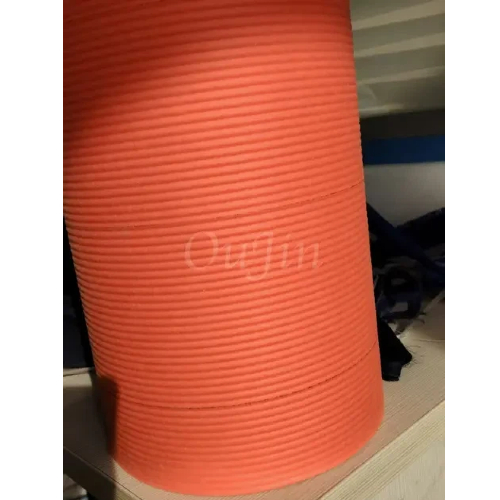
Before folding the filter paper, ensure that the correct size has been selected. The size should match the funnel’s diameter to ensure proper placement. It’s important to use the correct type of filter paper for your specific task, as mentioned in the previous section. The correct fit of the paper in the funnel is essential for achieving efficient filtration. Choose a size that allows the paper to sit comfortably within the funnel without excess paper hanging over the edges, which could cause uneven filtration.
Choosing the right size filter paper is critical for efficient filtration. If the paper is too small, it may not cover the funnel adequately, allowing liquid to bypass the paper. If it’s too large, it may not fold properly and could be wasted. Typically, filter papers come in various sizes, and the correct size is generally specified in the instructions or guidelines related to the filtration procedure. If you're unsure, it's better to use a larger size, as it can be folded to fit snugly in the funnel.
Take the square or circular filter paper and fold it in half. Make sure the edges meet evenly to create a clean, straight crease. This step is essential to form the basic shape for the filter. It’s important to fold the paper smoothly to avoid creating wrinkles or creases that could disrupt the filtration process. A clean and precise fold ensures that the paper fits properly in the funnel, preventing leaks.
Tip: For smooth folding, ensure the paper is dry and free of any moisture that could cause it to tear or bend unevenly. Also, avoid pressing too hard when folding to avoid damaging the paper.
After the initial fold, open the filter paper and fold it again, this time forming a cone shape. Align the edges so that they match perfectly, creating a smooth cone with equal sides. The point of the cone should be at the bottom.
How to achieve perfect alignment: Hold the paper gently by the corners, ensuring that both sides meet symmetrically. This allows the cone to stand upright in the funnel without collapsing. The height of the cone should also be adjusted to fit the funnel appropriately.
Once the filter paper is folded into a cone, place it inside the funnel. Adjust it so that it fits snugly at the edges of the funnel. This will prevent any liquid from flowing around the edges. The filter paper should sit flush against the funnel walls to ensure an airtight seal that prevents leaks during filtration.
Pro Tip: Moisten the filter paper slightly with water to help it stick to the sides of the funnel. This also helps prevent the paper from moving during the filtration process, ensuring the paper stays in place and doesn’t collapse under the weight of the liquid.
It’s important to place the folded filter paper in the funnel properly, ensuring a tight fit. Any gaps between the filter paper and the funnel will allow liquid to bypass the filter and contaminate the filtrate. The filter paper should fill the funnel completely, leaving no empty spaces. This is essential for preventing the liquid from finding alternative paths around the paper, which could lead to incomplete filtration.
Before you begin the filtration process, moisten the filter paper slightly. This will prevent the paper from floating or moving in the funnel, and it will also help to enhance the filtration process by preventing small particles from slipping through. Additionally, moistening the paper reduces the possibility of paper tearing due to the pressure exerted by the liquid during filtration.
There are different folding techniques depending on the complexity of the filtration process and the size of the funnel. The basic fold involves a simple cone shape, while more advanced folds may involve pleats or other shapes for specialized filtering tasks.
Type of Fold | Use Case | Method |
Basic Cone Fold | General filtration, common laboratory tasks | Fold in half, then into a cone shape |
Advanced Pleated Fold | When more surface area is required or for larger volumes of liquid | Accordion-like pleats to increase surface area |
Multi-layer Fold | High-efficiency filtration, or for more delicate, fine particle filtration | Fold multiple sheets for increased filtration strength |
For advanced filtration tasks, the pleated fold can be used to create a larger surface area that can hold more liquid. The multi-layer fold is often used when dealing with fine particulate matter or when high filtration strength is required to avoid clogging the paper.
Folding filter paper may seem like a simple task, but doing it correctly is vital for ensuring the effectiveness and efficiency of your filtration process. Whether you’re working in a chemistry lab or at an industrial site, proper folding is essential to prevent leakage, enhance filtration speed, and save valuable time. By following the steps in this guide, you’ll be able to achieve more accurate and reliable results in any filtration task.
At Hebei Oujin Nonwoven Technology Co., Ltd., we understand the importance of high-quality filtration solutions. Our range of filter papers and materials is designed to meet various industrial and scientific needs, offering durability and superior performance. If you’re looking for customized filtration products or have any inquiries regarding our offerings, feel free to contact us. Our team is always ready to assist and provide the right solutions for your filtration challenges.
1. Why do I need to fold filter paper for filtration?
Folding filter paper increases its surface area, which enhances filtration efficiency and speeds up the process. It also ensures the paper fits snugly in the funnel, preventing leaks.
2. Can I use any type of filter paper for folding?
Yes, but the folding method may vary depending on the type of filter paper. Specialty papers may require different techniques.
3. How do I choose the right size of filter paper?
Select filter paper based on the size of the funnel. The filter paper should be large enough to cover the funnel completely but not too large to cause folding issues.
4. Can I reuse folded filter paper?
Filter paper is typically designed for single use in filtration. Reusing it may reduce filtration efficiency, but in certain circumstances, it can be cleaned and reused.
5. What happens if I fold the filter paper incorrectly?
Incorrect folding can lead to inefficient filtration, slower liquid movement, or a filter paper that does not stay in place in the funnel, resulting in leaks or spills.


